AI and Trust in Visual Production: When Visual Realism Does Not Necessarily Reflect Reality
An image can captivate the eye in an instant. But what truly builds trust in what we see?
AI is blurring the boundaries between what already exists and what remains within the realm of imagination. A building that has never been constructed can appear as lifelike as a photograph. A product that has yet to come into existence can already be presented in an utterly captivating real-world setting.
When things that have not yet become reality can be visualized so vividly that they appear to have always existed, a new question emerges at the very heart of visual production: If technology can lead people to believe in illusions that do not yet exist, who bears responsibility for the messages those images convey?
When Visual Beauty Is No Longer a Guarantee
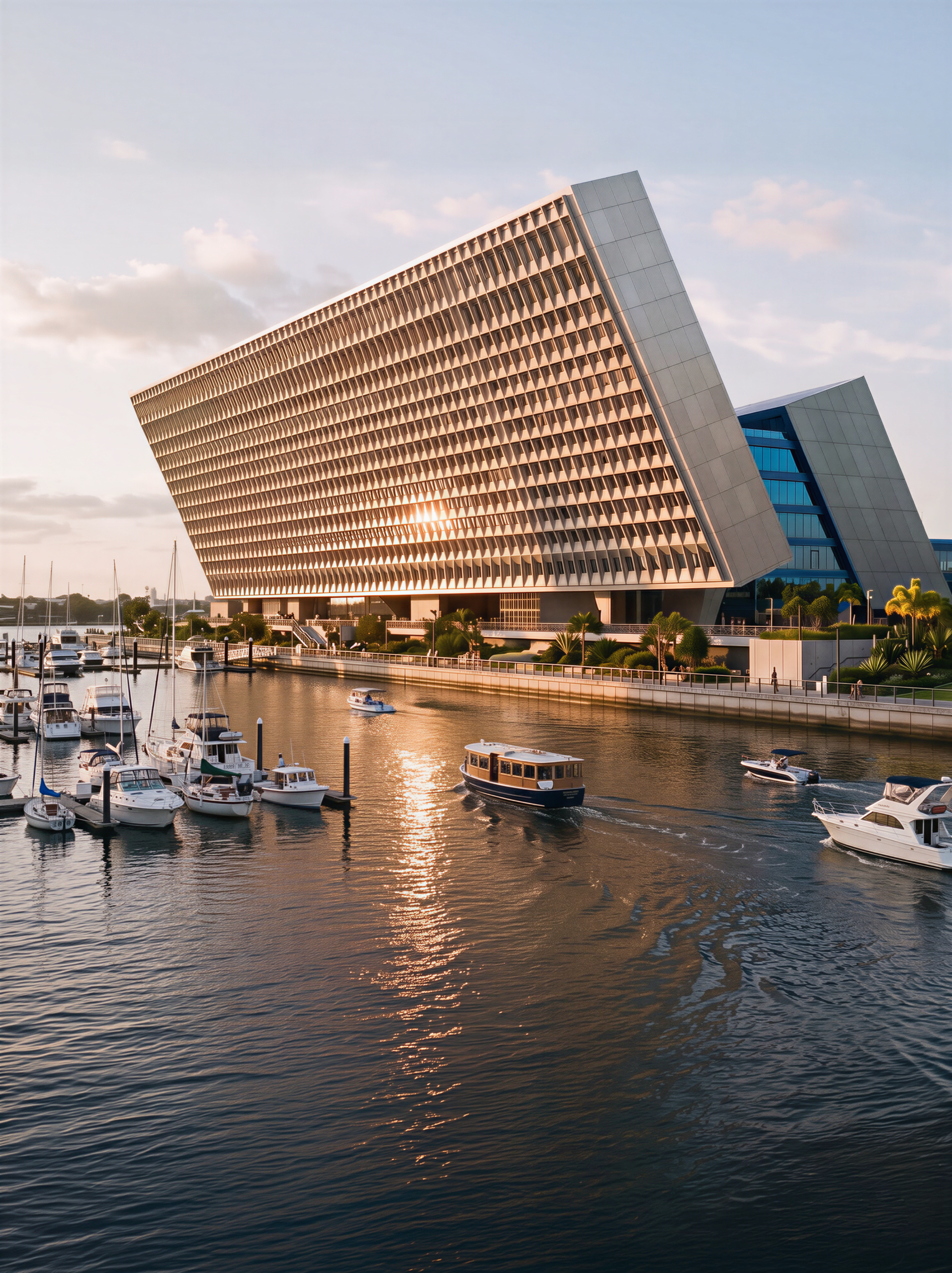
Imagine an architectural landmark overlooking a marina. Beneath the golden glow of sunset, its walls reflect brilliant hues, while yachts rest quietly on the water, creating the complete impression of a space already woven into everyday life.
But does this building truly exist? Which details originate from technical drawings, and which are merely layers of “makeup” added by algorithms to enchant the eye?
An image may be aesthetically flawless, but that has never meant that every piece of information within it has been verified.
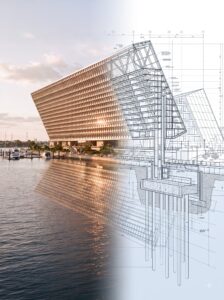
When Images Become the Foundation for Decisions
In architecture, interior design, real estate, and advertising, images are no longer simply objects of visual appreciation. They provide a foundation for customers to envision, evaluate, and make strategic commercial decisions.
A detail may be freely elevated by creative expression in a conceptual rendering, yet demand absolute accuracy when that same image represents a real commercial product. The responsibility of visual professionals therefore extends far beyond creating something visually stunning. It lies in a deeper understanding of the very nature of the image: What does this image represent? Where does creative freedom begin, and where does the boundary of truthfulness lie?
Not every image must reflect a reality confined to what already exists. But every image must remain faithful to the purpose for which it was created.
TOPPAN EQUATOR’s Perspective: Trust Is Part of Quality
Drawing together its foundation in 3DCG, design thinking, and experience gained through the demanding standards of the Japanese market, TOPPAN EQUATOR sees AI not merely as a tool for expanding the boundaries of creativity, but also as a test of responsibility for every visual product presented to the public.
As AI is integrated alongside established production techniques, TE consistently draws a clear boundary: where inspiration is free to flourish, and where technical information must be rigorously preserved.
A beautiful image may hold someone’s gaze for a fleeting moment, but only truthfulness and the professional’s sense of responsibility can build lasting trust. AI can make the elusive boundary between illusion and reality appear remarkably convincing, but it is ultimately human judgment and accountability that stand as the guarantee of an image’s trustworthiness.